Home > Sustainable Development
Home > Sustainable Development

We benchmark against the ISSB framework to systematically identify climate risks and opportunities, and have developed a low-carbon transition roadmap covering our headquarters and supply chain.
We have deeply integrated climate governance into our business philosophy and daily operations, taking concrete actions to address stakeholders' concerns and expectations on climate issues.
We joined the Science-Based Targets initiative (SBTi) in 2023, committing to set science based targets aligned with the 1.5°C temperature control pathway.
Guided by the “Reduce, Reuse, Recycle” principle, we are systematically building a circular economy framework.

We place great emphasis on environmental management. By implementing the 3R principle, promoting cleaner production and green manufacturing, and monitoring carbon emission performance across the supply chain. We strive to address climate change and reduce our environmental footprint.

We value labor rights, occupational health and safety, community engagement, and corporate social responsibility. We are committed to safeguarding our operations worldwide and complying with relevant social responsibility standards and requirements.

We adhere to laws and regulations, prevent commercial corruption, establish sound internal control systems, and ensure truthful and accurate information disclosure. We identify risks and opportunities, attend to the needs of stakeholders, and actively seek win-win cooperation.
We have been recognized as a national "Green Factory", which is a testament to our green manufacturing capabilities.
We believe that the green attributes of a product lie not at the end, but at the source. Through micro and integrated design, we ensure that every product consumes fewer resources from the very beginning of its lifecycle.
By optimizing road transport solutions, rationally planning delivery routes, improving cargo loading rates, and reducing empty-mileage, we effectively lower energy consumption and greenhouse gas emissions in logistics.
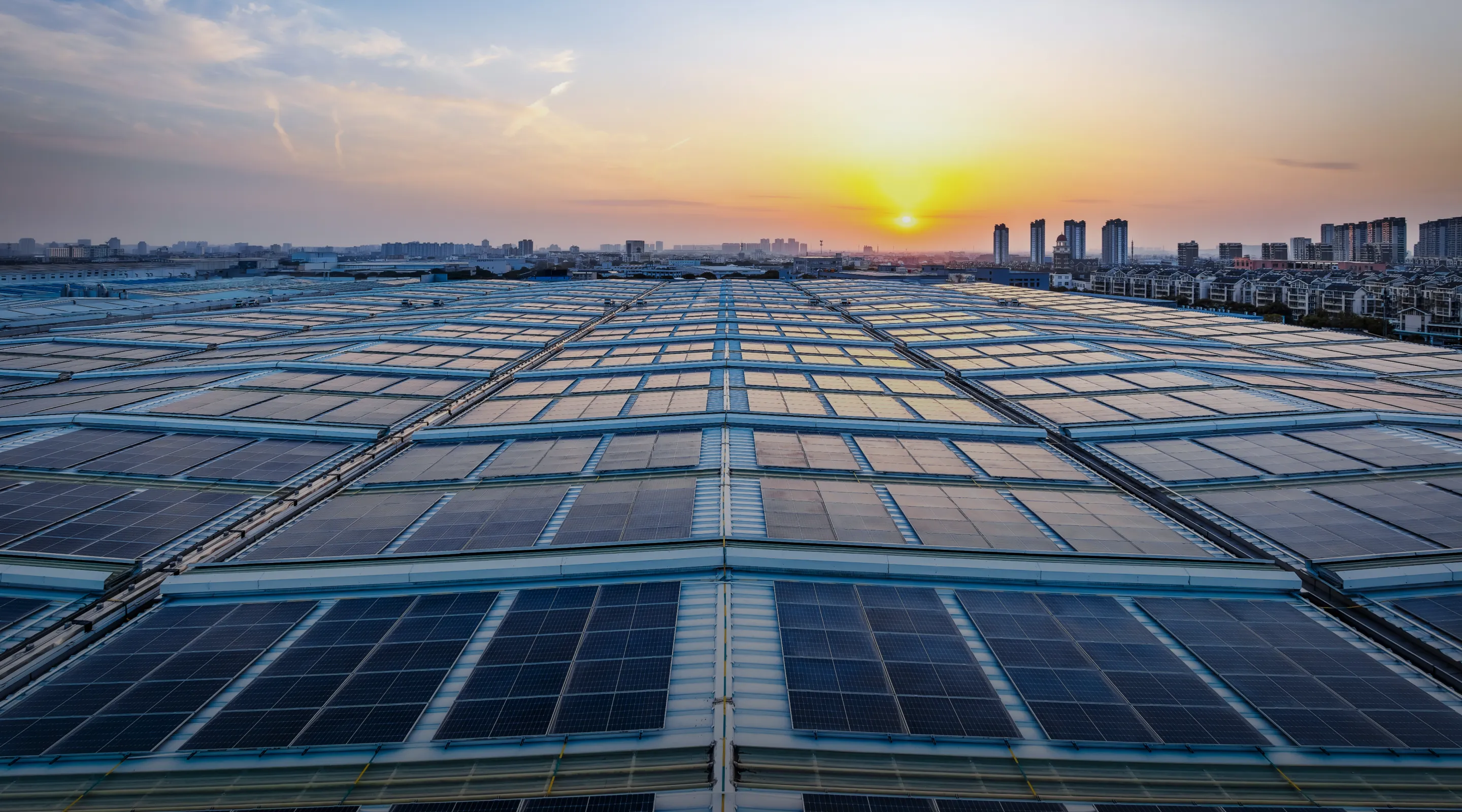
Leveraging our industrial strengths, we have installed rooftop photovoltaic systems and built energy storage facilities at the Dongguan Base.
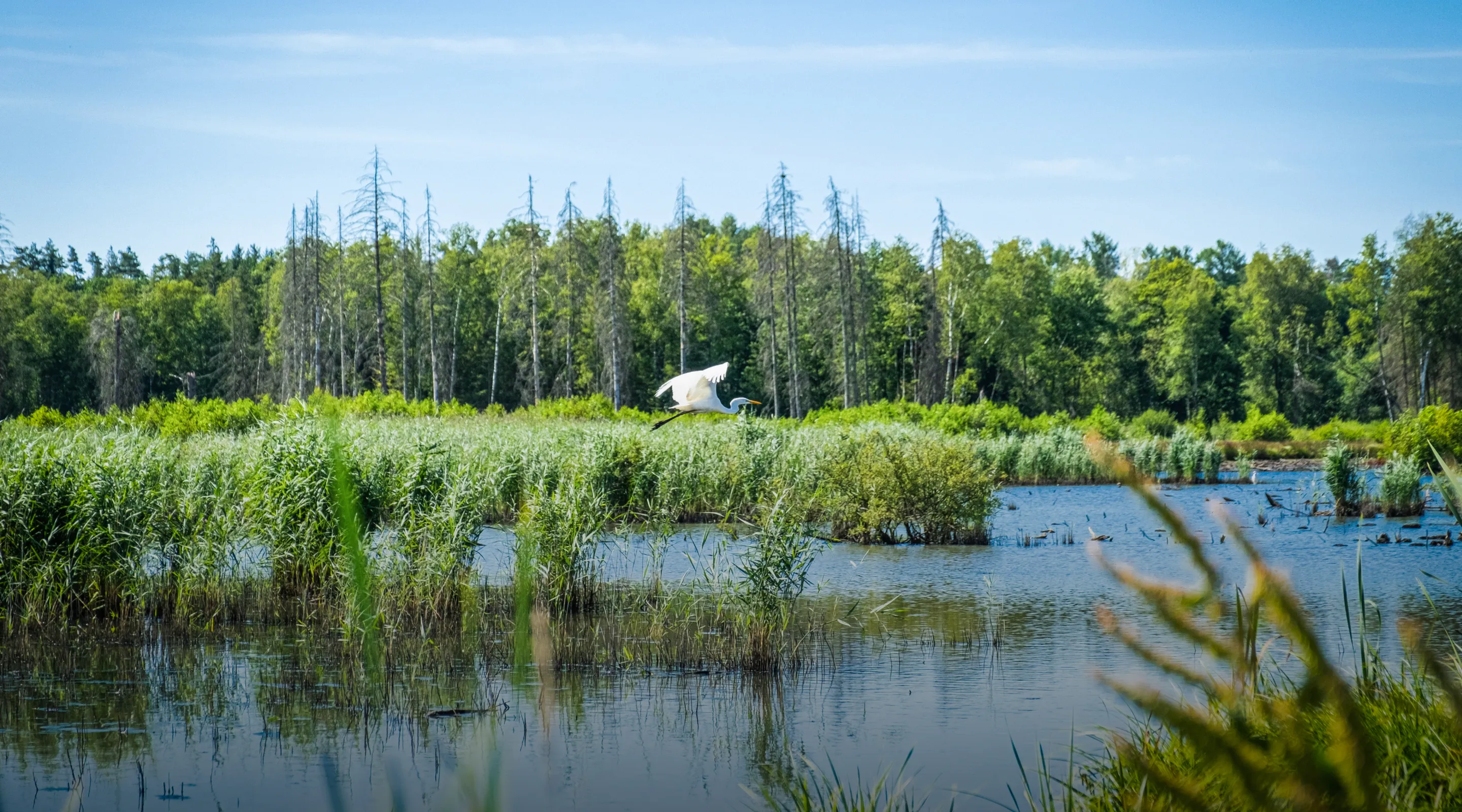
We prioritize biodiversity conservation by conducting ecological and biodiversity impact assessments for all new projects. During production and operations, we have not caused any significant negative impact on regional biodiversity. All our manufacturing sites are located outside ecologically sensitive areas.

We follow developments in the blue carbon field and actively engage in global marine ecosystem protection, contributing to a balanced and sustainable blue ecosystem.

We replace purchased electricity with green power, supplying approximately 1,090 MWh of clean electricity annually. This is equivalent to saving 434 tons of standard coal and reducing CO₂ emissions by 888 tons.

We employ water recycling treatment processes to purify and reuse spray wastewater, significantly reducing fresh water consumption achieving emission reduction.
We strictly comply with national and local environmental standards and pollutant discharge permit requirements, ensuring that wastewater, exhaust gas, and solid waste are consistently discharged within permitted limits. Through regular third-party monitoring and standardized record-keeping, we ensure that pollutant emissions are fully controlled, traceable, and accountable throughout the entire process.
We have established a classified waste management system, implementing differentiated compliance measures for non-hazardous and hazardous waste. We also upgraded our gearbox lubrication system, reducing waste oil drums by 3,000 to 5,000 units annually and significantly cutting hazardous waste generation, while oil spill risks have been reduced by over 90%. This solution has been deployed at scale, covering more than 10 million products to date.
We have established a recovery and reuse mechanism for used tooling and components. By developing universal blister trays, we have reduced packaging material waste. In addition, we collect, inspect, and refurbish disassembled parts such as cylinders, bearings, and quick-release clamps from production, thereby improving resource efficiency and driving waste reduction across the entire process.
We replace purchased electricity with green power, supplying approximately 1,090 MWh of clean electricity annually. This is equivalent to saving 434 tons of standard coal and reducing CO₂ emissions by 888 tons.
We employ water recycling treatment processes to purify and reuse spray wastewater, significantly reducing fresh water consumption achieving emission reduction.
We strictly comply with national and local environmental standards and pollutant discharge permit requirements, ensuring that wastewater, exhaust gas, and solid waste are consistently discharged within permitted limits. Through regular third-party monitoring and standardized record-keeping, we ensure that pollutant emissions are fully controlled, traceable, and accountable throughout the entire process.
We have established a classified waste management system, implementing differentiated compliance measures for non-hazardous and hazardous waste. We also upgraded our gearbox lubrication system, reducing waste oil drums by 3,000 to 5,000 units annually and significantly cutting hazardous waste generation, while oil spill risks have been reduced by over 90%. This solution has been deployed at scale, covering more than 10 million products to date.
We have established a recovery and reuse mechanism for used tooling and components. By developing universal blister trays, we have reduced packaging material waste. In addition, we collect, inspect, and refurbish disassembled parts such as cylinders, bearings, and quick-release clamps from production, thereby improving resource efficiency and driving waste reduction across the entire process.


Committed to progress in the field of micro-drives to create a smarter and better life.


micro-drive System Manufacturer

400-066-2287